


Gas Vs. Wood Fireplaces in Winter: Venting Problems Homeowners Don’t Expect (and Why They Happen)

Many homeowners assume gas fireplaces are maintenance-free and that wood fireplaces are the only systems that require regular attention. In reality, both gas and wood fireplaces develop unique venting problems in winter, and those problems often surprise homeowners because they don’t look or behave the same way.
Cold weather changes how chimneys and venting systems perform. The physics of exhaust, condensation, pressure, and temperature become far more aggressive once freezing temperatures arrive. Understanding the differences between gas and wood venting in winter helps explain why issues appear “out of nowhere.”

How Gas Fireplaces Vent in Cold Weather
Gas fireplaces produce exhaust that is very different from wood fires. While wood produces hot smoke and creosote, gas appliances produce cooler exhaust that contains a high amount of water vapor and acidic byproducts. In warm weather, much of this moisture exits the flue without incident. In winter, however, cold chimneys cause that moisture to condense rapidly inside the venting system.
When warm gas exhaust hits cold flue walls, condensation forms. That condensation mixes with acidic combustion byproducts and begins attacking metal components. Over time, this leads to:
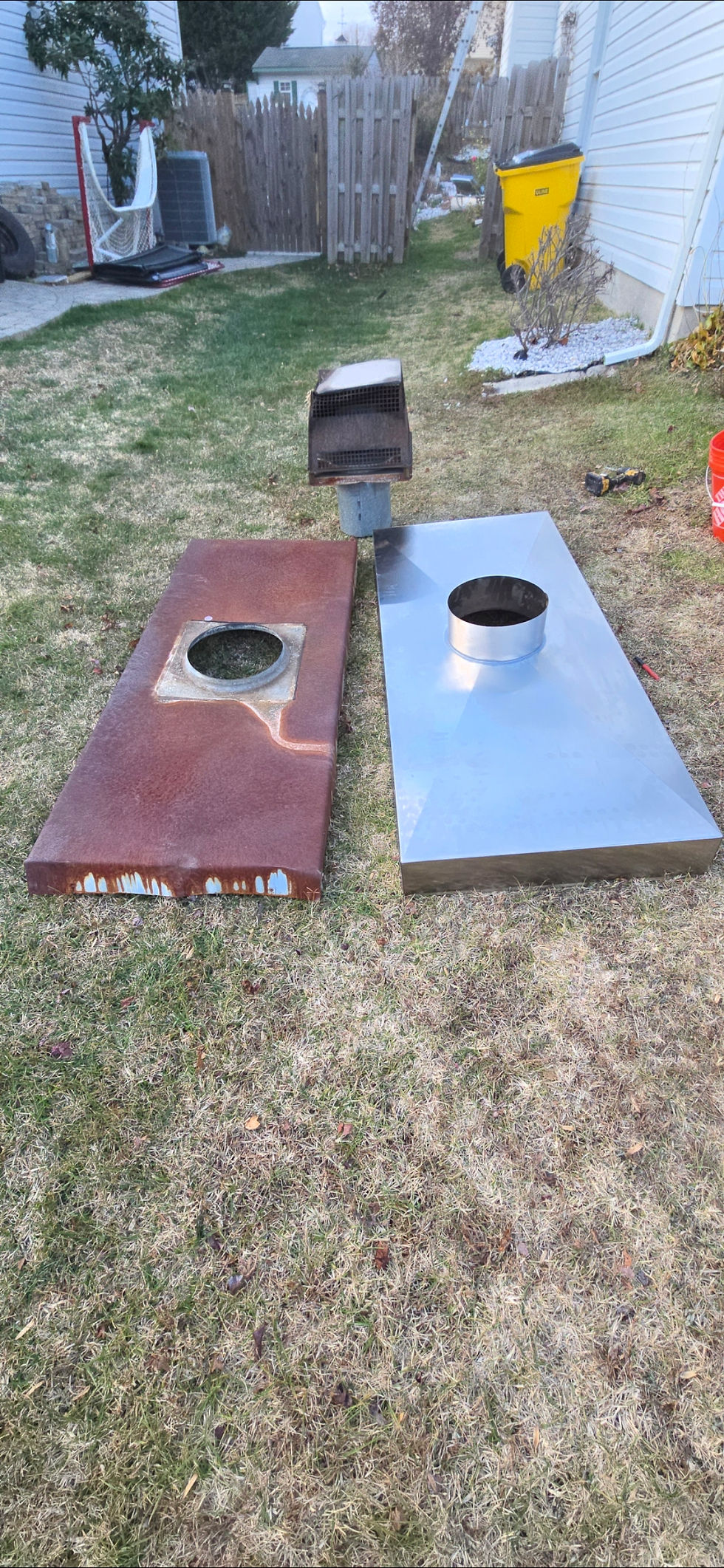
Corrosion of liners and connectors
Rusted or frozen dampers
Deteriorated chase covers and caps
Internal moisture streaking down masonry
Unlike wood systems, gas venting often runs at lower temperatures for longer periods. This makes condensation far more likely, especially in oversized flues or chimneys that lack insulated liners. In extreme cold, condensation can freeze inside the venting system, partially restricting airflow and making draft unstable.
Another common winter issue with gas fireplaces is blocked or restricted vents. Snow accumulation, ice buildup, or animal nesting can interfere with exhaust flow. Gas appliances rely on consistent venting. Even partial blockage can cause exhaust to spill back toward the appliance, increasing carbon monoxide risk.
Because gas fires don’t produce visible smoke like wood fires, homeowners may not realize there’s a venting problem until they notice corrosion, moisture damage, or CO alarms activating.
How Wood Fireplaces Behave Differently
Wood-burning fireplaces produce much hotter exhaust, which helps establish draft more quickly. However, they introduce a different set of winter problems.

When outdoor temperatures plunge, cold air settles heavily inside the flue before a fire is started. If the chimney is exterior, oversized, or poorly insulated, it can take longer for a wood fire to warm the flue enough to establish draft. During that startup phase, smoke may spill into the room.
Wood fireplaces also generate creosote — a sticky, flammable residue that builds up inside the chimney. In winter, draft instability and cooler flue temperatures cause creosote to accumulate faster. If draft is weak, smoke lingers longer in the flue, leaving heavier deposits behind.
Wind patterns in winter can further disrupt wood fireplace draft. Downdrafts caused by rooflines or nearby structures can push cold air down the chimney, overwhelming the fire and forcing smoke back into the home. Snow near the chimney top can also restrict exhaust flow.
Unlike gas systems, wood fireplaces often show immediate symptoms when venting fails: smoke in the room, sluggish fires, or difficulty keeping flames going. These visible signs usually prompt homeowners to investigate, whereas gas issues may stay hidden longer.
Why Winter Exposes Weaknesses in Both Systems
Whether gas or wood, winter puts venting systems under maximum stress. Cold temperatures increase air density, making exhaust harder to move. Wind patterns become stronger and more unpredictable. Homes stay sealed tight, creating negative pressure that competes with chimneys for air.
Moisture plays a major role in both systems. Gas exhaust creates condensation. Wood systems absorb moisture through masonry and creosote deposits. In both cases, moisture cools the flue, reduces draft, and accelerates material deterioration.
What confuses homeowners is that these problems often develop gradually. A system may work acceptably early in the season, then begin failing mid-winter after repeated cold cycles, moisture exposure, and heavy use.
Common Winter Venting Problems We See
For gas fireplaces:
●Corroded liners and connectors
●Condensation staining inside the firebox
●Frozen or rusted dampers
●Blocked vents from snow or animals
●Carbon monoxide alarms triggered by restricted exhaust
For wood fireplaces:
●Smoke spillage during startup
●Rapid creosote buildup
●Downdraft from wind or cold flues
●Poor draft due to oversized or unlined chimneys
●Firebox and smoke chamber moisture damage
Why Professional Inspections Matter for Both
Gas and wood systems fail differently, but both require inspection. Video scanning of liners, checking cap and termination conditions, evaluating draft behavior, and inspecting internal components are critical — especially during or after winter use.
Many homeowners assume inspections are only for wood fireplaces. In reality, gas systems are just as vulnerable to winter venting failures, and those failures often carry higher CO risks because they’re less obvious.
If you’re using either a gas or wood fireplace in Bel Air, Forest Hill, Perry Hall, Aberdeen, or surrounding Maryland areas, a winter venting inspection can uncover corrosion, blockages, or draft issues before they turn into safety concerns.


Comments