


Why Your Chimney Is Leaking Water (And How to Fix It Permanently)
- Noelle Darby

- Mar 29
- 4 min read
If you’re dealing with a chimney leaking water, you’re not alone—and you’re right to take it seriously. Water intrusion is the #1 cause of chimney damage. What makes it tricky is that chimney leaks rarely behave like typical roof leaks. Water can enter at the top of the chimney, travel internally, and show up somewhere completely different inside your home days or even weeks later.
Homeowners often notice the problem when they see water in the firebox, staining on the ceiling near the chimney, or a musty odor coming from the fireplace. By that point, the leak has usually been developing for some time. The goal isn’t just to stop the visible water—it’s to identify exactly where water is entering and prevent it from happening again.
Why Chimneys Leak More Than Other Parts of the House
Chimneys sit above the roofline and are exposed on all sides. Unlike roofing systems designed to shed water, chimneys are built from porous materials like brick and mortar. These materials absorb moisture. When water is allowed to enter repeatedly, the chimney becomes saturated.
Once moisture is inside, gravity, capillary action, and temperature changes move it throughout the structure. This is why a leak at the top can show up near the ceiling, walls, or even inside the fireplace.
Moisture inside a chimney doesn’t just cause leaks—it triggers a chain reaction:
●masonry deterioration
●rusting metal components
●draft problems due to cooling flue walls
●mold and odor issues
●accelerated freeze–thaw damage in winter
Stopping the leak early prevents all of these secondary problems.
The Most Common Causes of Chimney Leaks
1. Cracked or Failing Chimney Crown
The chimney crown is the top surface that seals the chimney structure and directs water away. Many older chimneys have thin mortar crowns or “washes” that crack over time.
When a crown cracks, water enters directly into the chimney core. From there, it can travel down through masonry and show up in unexpected places.
Hairline cracks may not seem serious, but over time they widen with temperature changes and allow more water in with every rainstorm.
2. Missing or Damaged Chimney Caps
A chimney cap is one of the simplest but most important protections. Without a cap, rainwater falls directly into the flue. In heavy storms, significant amounts of water can enter the chimney.
Caps also prevent animals from nesting inside the flue. Nests trap moisture and block airflow, making leaks and draft problems worse.
3. Failing Chimney Flashing
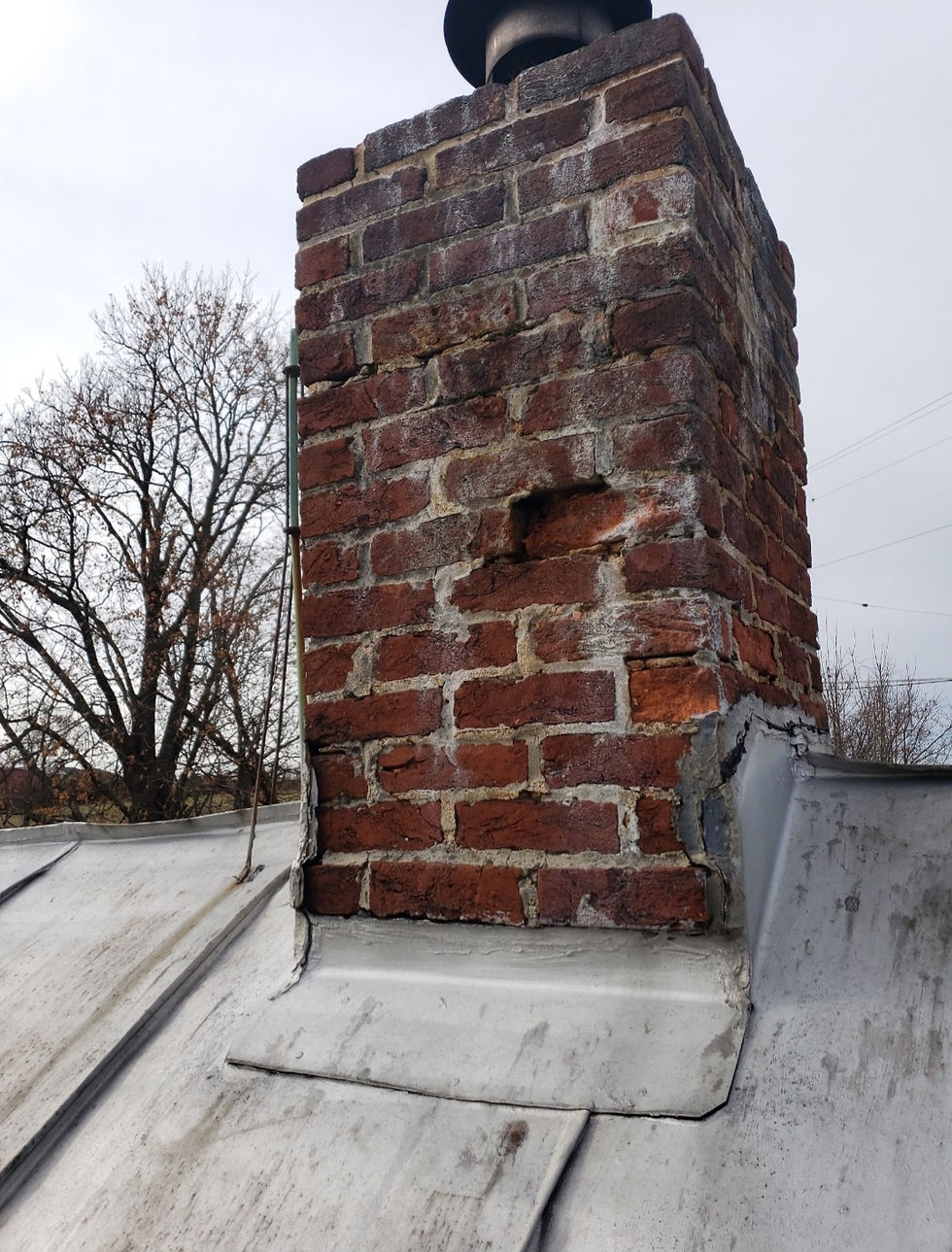
Flashing is the seal where the chimney meets the roof. Over time, flashing can separate, rust, or lose its seal due to roof movement and weather exposure.
When flashing fails, water can enter at the roofline and travel down into the home. This is one of the most commonly misdiagnosed chimney leaks, often mistaken for a roofing problem.
4. Deteriorating Brick and Mortar
Brick and mortar joints naturally wear down over time. As they deteriorate, they become more absorbent and allow water to penetrate deeper into the chimney.
In colder climates like Maryland, this leads to freeze–thaw damage, where water freezes inside the masonry and expands, causing bricks to crack and mortar to wash out.
5. Rusted or Failing Chase Covers (Prefab Chimneys)
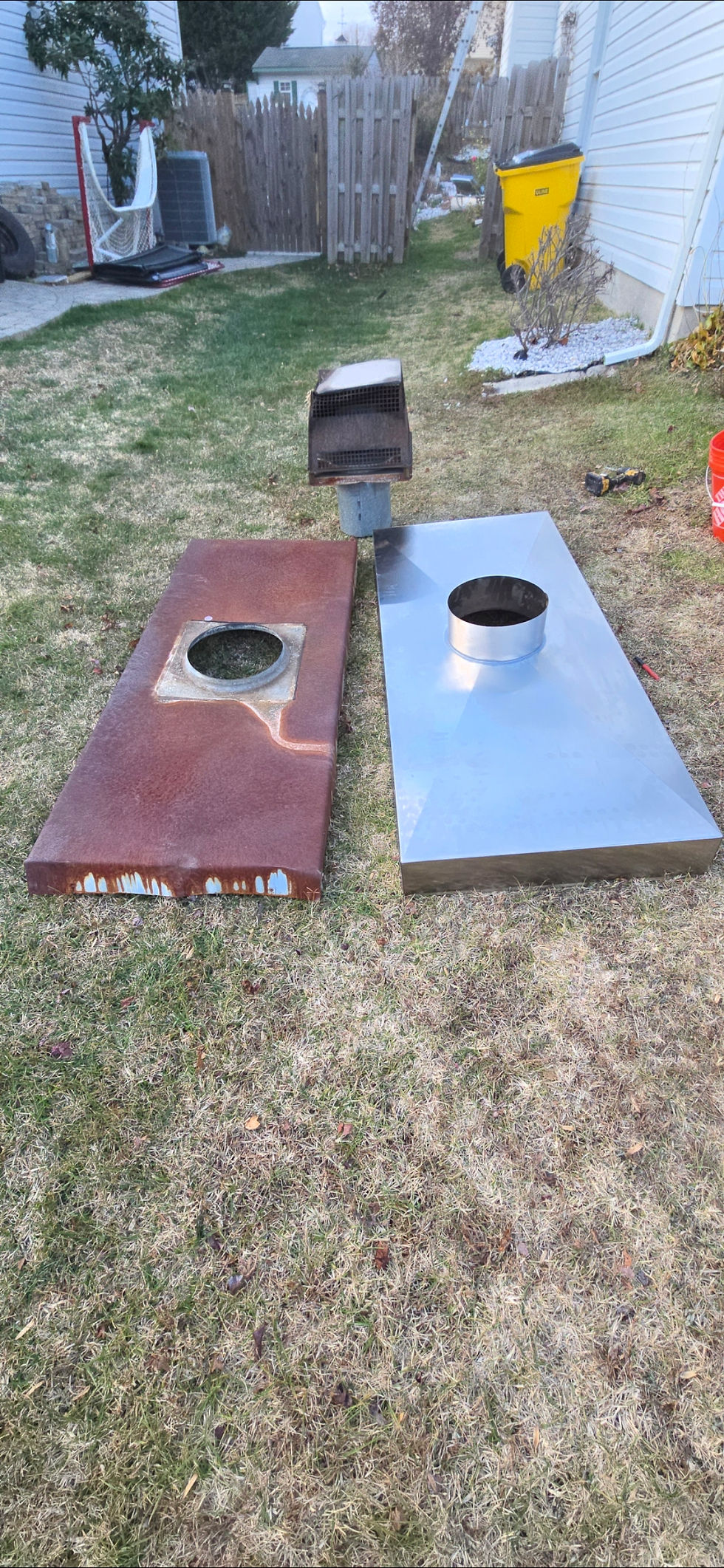
For factory-built chimney systems, the chase cover acts as the “roof” of the chimney enclosure. Many original covers are made from galvanized steel, which eventually rusts and develops holes.
Once this happens, water enters the chase and can damage framing, insulation, and chimney components inside.
Upgrading to a stainless steel chase cover is one of the most effective long-term solutions.

Why Chimney Leaks Are Hard to Diagnose
One of the biggest challenges with chimney leaks is that the entry point and the visible damage rarely match.
Water may:
●enter through the crown
●travel down inside the chimney
●appear near the ceiling
●or collect inside the firebox
Because of this, guessing the source often leads to temporary fixes that don’t solve the real problem.
A proper inspection looks at the chimney as a system—from top to bottom—to identify where water is entering and how it’s moving through the structure.
Signs Your Chimney Is Leaking
Common warning signs include:
●water inside the fireplace
●staining on ceilings or walls near the chimney
●musty or smoky odors
●white powder (efflorescence) on brick
●rust on dampers or firebox components
●spalling bricks or crumbling mortar
Even if the leak seems minor, it’s usually a sign of a larger issue developing inside the chimney.
How to Fix a Chimney Leak (The Right Way)
Fixing chimney leaks isn’t about applying sealant everywhere—it’s about targeting the source.
Crown Repair or Replacement
If the crown is cracked, it may need sealing or rebuilding with a properly formed crown that sheds water effectively.
Chimney Cap Installation
Installing caps on every flue prevents direct water entry and protects against animals and debris.
Flashing Repair
Repairing or replacing flashing ensures a watertight seal where the chimney meets the roof.
Masonry Repair and Waterproofing
Repointing deteriorated mortar and applying breathable waterproofing helps prevent future moisture absorption.
Chase Cover Replacement
For prefab systems, replacing rusted covers with stainless steel versions provides long-term protection.

Why Temporary Fixes Don’t Work
Homeowners often try quick fixes like:
●roof tar
●caulking
●sealants applied without addressing the source
These solutions may stop visible leaks temporarily, but they usually trap moisture inside the chimney or fail within a short time.
Permanent solutions focus on water management, not just blocking water at the surface.
Preventing Future Chimney Leaks
Preventive maintenance is the best long-term strategy.
This includes:
●annual chimney inspections
●keeping caps installed and in good condition
●maintaining the crown and flashing
●waterproofing masonry when needed
●addressing small issues before they grow
A well-maintained chimney sheds water properly and resists long-term damage.
If you’re dealing with a chimney leaking water in Bel Air, Forest Hill, Aberdeen, or anywhere in Harford County, identifying the exact source is the first step to fixing it permanently. Chimney leaks never fix themselves—and the longer they’re ignored, the more damage they cause.


Comments